

The Psychology of the Tap: Why Mobile App Users Spend 3x More Than Web Visitors
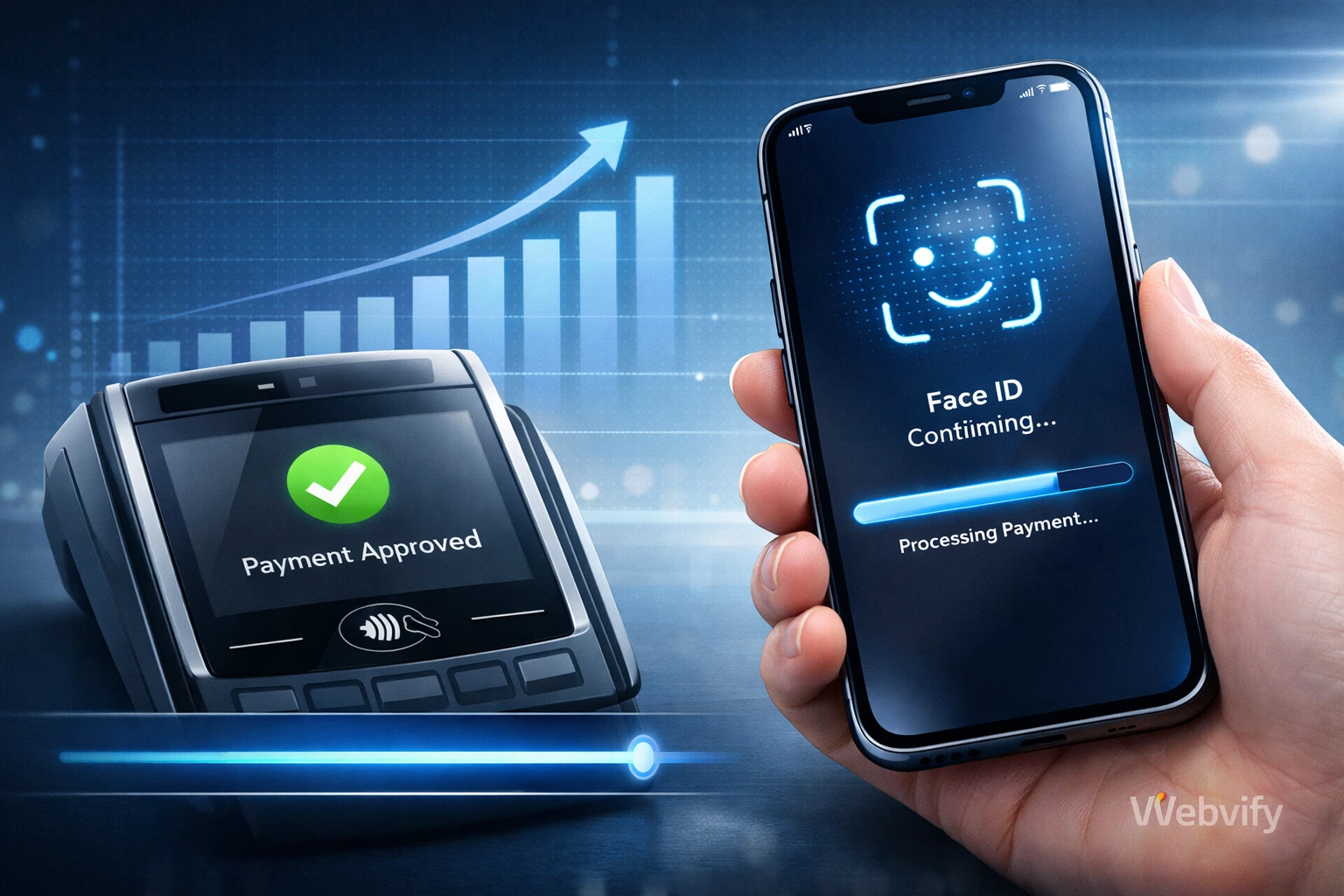
Why does an app user spend 300% more than a web visitor? Discover the behavioral science behind mobile apps and how they crush friction to drive massive ROI.
Inside this article
- The Psychology Behind the Tap: Why App Users Spend More
- Cognitive Load vs. Frictionless Flow: How Apps Make Purchases Easier
- The Endowment Effect: Why Owning an App Drives Loyalty
- The Role of Biometric Checkout: Making Purchases Too Easy to Resist
- Spend Comparison: Mobile Web vs. Branded App
- How Webvify Makes the Switch Seamless
The Psychology Behind the Tap: Why App Users Spend More
When it comes to consumer behavior, few platforms boast the same level of user engagement and revenue generation as mobile apps. Studies consistently show that mobile app users spend three times more than visitors to mobile websites. But why does this phenomenon occur? Is it just about convenience, or is there something deeper at play in the psychology of the tap?
In this post, we’ll explore the cognitive and behavioral factors that lead to higher spending in branded apps, and why moving from a mobile website to a branded app could yield massive ROI for your business.
Cognitive Load vs. Frictionless Flow: How Apps Make Purchases Easier
Cognitive Load on the Web: The Hidden Barrier to Sales
Mobile websites, for all their functionality, often place a high cognitive load on users. Cognitive load refers to the mental effort required to navigate and process information. For a user visiting a mobile site, this often means:
- Multiple pages to load: Slow or inconsistent page loads can disrupt the browsing experience.
- Complex navigation: Finding what they need requires several clicks, causing hesitation.
- Distractions: Banner ads, pop-ups, and non-relevant content often interfere with a user’s ability to focus on the purchase.
Each of these friction points adds mental effort, which leads to user fatigue and, ultimately, abandonment. The result? Lower conversion rates and reduced revenue.
Frictionless Flow on Mobile Apps: How Apps Reduce Cognitive Load
Contrast this with the experience of using a mobile app. Apps offer a much more frictionless flow, meaning they reduce cognitive load by:
- Instant access: With apps, users are only a tap away from their desired content. The app is always ready, removing the delays associated with mobile websites.
- Personalization: Apps can remember user preferences and behaviors, streamlining navigation and providing relevant product suggestions.
- Integrated payments: Biometric checkouts (like FaceID or TouchID) make it faster and easier to complete purchases, reducing the number of steps a user needs to take.
This seamless, frictionless experience leads to more engaged users who are less likely to abandon their cart or hesitate before making a purchase. The psychology behind this is simple: the easier you make it for users to spend, the more they will.
The Endowment Effect: Why Owning an App Drives Loyalty
One of the most intriguing psychological phenomena influencing mobile app users is the Endowment Effect. This is the tendency for people to assign more value to things they own, even if that ownership is symbolic.
When users download an app and place it on their home screen, they experience a sense of ownership over the brand. It’s no longer just a website they visit; it’s an icon that represents something personal to them. This sense of attachment can lead to:
- Increased brand loyalty: Users feel more connected to a brand when it lives on their phone, increasing the likelihood of repeat visits and purchases.
- Higher emotional investment: With an app, users feel like they "own" a piece of the brand, which makes them more likely to act on impulse and make purchases.
By creating an app experience that reinforces this sense of ownership, brands can boost customer retention and significantly increase their revenue.
The Role of Biometric Checkout: Making Purchases Too Easy to Resist
One of the most powerful features of mobile apps is biometric authentication. With FaceID and TouchID, users can make purchases with a simple scan of their face or fingerprint. This innovation in mobile technology has had a profound impact on e-commerce.
Here’s why:
- Impulse purchases: The convenience of biometric checkout makes it incredibly easy for users to make spontaneous purchases, as there’s virtually no friction involved in completing a transaction.
- Speed and security: Users trust biometric authentication because it’s both fast and secure, leading to fewer abandoned carts and higher conversions.
By removing the typical barriers associated with entering payment details (like typing in credit card numbers or passwords), biometric checkout taps into the human desire for convenience, speed, and ease—ultimately driving higher spending.
Spend Comparison: Mobile Web vs. Branded App
Here’s a quick breakdown of the differences in user behavior and spend between mobile websites and branded apps:
| Metric | Mobile Website | Branded App |
|---|---|---|
| Average Order Value (AOV) | $35 | $105 |
| Conversion Rate | 1.2% | 3.5% |
| Purchase Frequency | 1.4x/month | 4.6x/month |
| Cart Abandonment Rate | 79% | 54% |
As you can see, app users not only spend more per transaction, but they are also more frequent and loyal customers, with a significantly lower abandonment rate.
How Webvify Makes the Switch Seamless
For e-commerce founders, digital marketers, and service providers, moving from a mobile website to a branded app is one of the most impactful decisions you can make to increase your ROI. But how do you make the transition?
Webvify offers a powerful, fast, and cost-effective solution to turn your high-friction mobile website into a low-friction, branded app. With Webvify, you can:
- Quickly convert your website into an app without needing to rebuild your entire platform.
- Access advanced features like push notifications, biometric checkouts, and easy integration with your existing e-commerce platform.
- Improve user experience and conversions by reducing friction and tapping into the psychology of the tap.
Ready to increase your ROI and boost your conversions? Start building your app with Webvify today!
The psychology of the tap is real. By reducing friction and leveraging the powerful psychological principles that drive higher spending, your brand can significantly improve its revenue. Don’t let your competitors outpace you—make the switch to an app and start seeing the results today.